

If you’ve REALLY figured out your when(s) and understand your priorities, it’s time to move on to part 2.
Play
Take what you learned about your best time of day and then add in your best opportunities for customer contact.
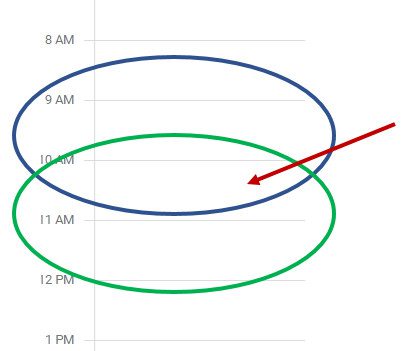
Look at the intersection of when you’re at your best AND you reach the most people
NOW: Schedule yourself for BURSTfocus® customer contact time whenever during the day that happens!
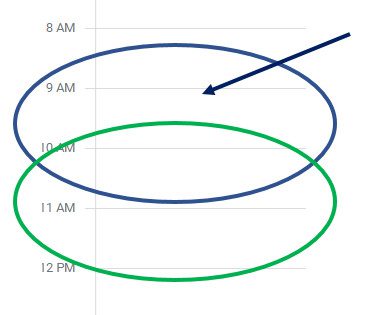
Next: during the time when you feel the most mentally aware / awake / ready to go WHERE it doesn’t intersect with prospects and customers answering your calls – figure out what priority activity you will use that time for.
Research ~ Proposals ~ Writing ~ Forecasting all come to my mind…
What comes to yours?
While you’re playing around with what to focus on and when, give yourself the opportunity to change it up – try modifications.
Also give yourself permission to H A T E it and to F A I L. The first go around isn’t going to stick… at least in my experience. That is why I’m calling it play!
Don’t set expectations at first, those come next.
Practice
Once you’ve decided on your what and your when – it’s time to practice being the BEST at each priority activity you’ve set up.
My Taijiquan teacher (David Dolbear, White Crane Martial Arts) always reminds us:
Practice doesn’t make perfect.
Practice makes permanent.
Perfect practice makes it perfect, permanently.
Try it out for a week and stick to it (don’t cheat yourself)!
- How do you feel at the end of each day?
- What changes do you see in the results you’re achieving?
- Could you tweak something and get even better results?
Everyone is different, we all have different target markets and ideal prospects. There isn’t any right answer on either the when OR the what – only a right answer for you.
Master
If we believe Malcom Gladwell, it will take 10,000 hours of deliberate practice to master a skill, to become an expert.
That is a lot of hours. In fact; when you do the math, it’s 5-years of work (figuring 40 hours/week x 50 weeks/year).
The skill mastery you’re working on is making good choices in how you spend your time – not necessarily any of the specific activities you’ve chosen over the past two weeks.
- Knowing your priorities = understanding what is important.
- Asking questions will help you pick between urgent & not urgent.
- Choosing how you spend your time based on priority / importance will make you more effective.
- Consistent mindfulness that what you spend your time on is a choice, moves you closer to mastery.
With thoughts of self-management being time management – choose how you want to use the time you have.
Productively yours,
Lynn
ps: the hardest part of self-management may be simultaneously managing other people’s expectations. Sound familiar? Need help? Click reply and let’s set up a time to chat.
Comments (0)